
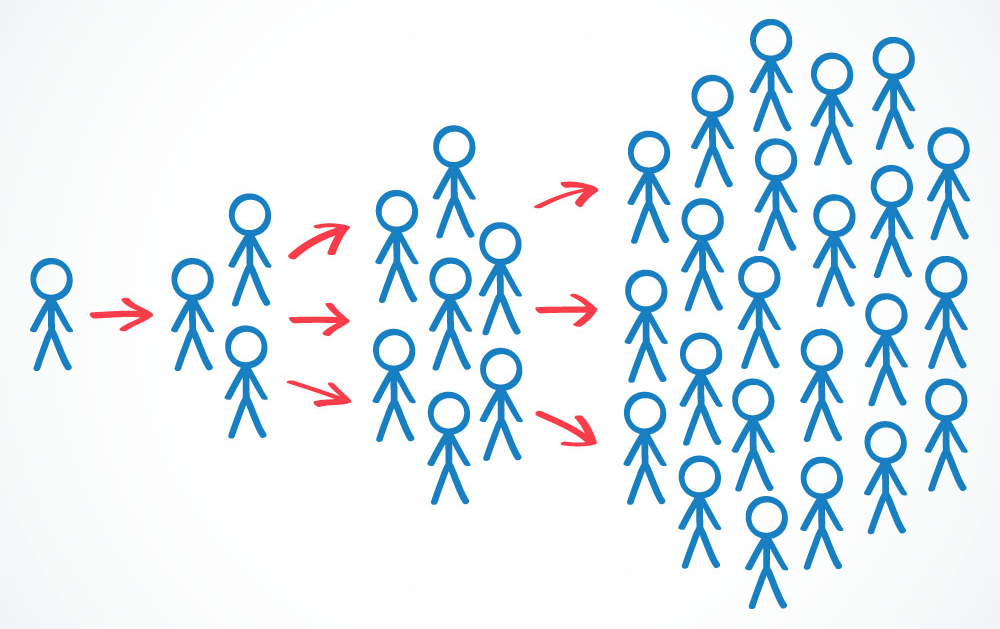
Принцип работы прост, вы задаете конкурентов, геопозиции и хештеги и сервис выгружает их подписчиков, после подписывается на них и тем самым привлекает их внимание к вашему аккаунту. Когда потенциальный клиент видит, что на него подписались ему в первую очередь приятно. И это вызывает его интерес, он открывает профиль того, кто на него подписался и если у вас интересный профиль с хорошим контентом, то, как правило, подписывается в ответ. После того как вы получите такого подписчика его можно считать "теплым" остается лишь привлечь его внимание нужным контентом.
При каждом касании с потенциальным клиентом через подписки вы увеличиваете не только количество ваших подписчиков, но и имеете все шансы продать свой товар или услугу. Но бывает, что количество подписчиков не увеличивается, а показатель охвата вашего аккаунта растет и это не всегда плохо.
Пример: наш клиент магазин товаров для взрослых, люди не спешат подписываться на его аккаунт, по-моему, вопросов почему возникать не должно? Люди стесняются, но пишут активно в директ сообщения и заказывают товары. Продажи выросли, а подписчики нет — плохо ли это решать вам.
Второй пример: аккаунт кафе, количество подписчиков также не растет, но растет охват, выяснить почему так не представляется возможным, клиент не соглашается сделать акцию "Приходи и покажи, что подписан получи подарок". Тем самым нельзя отследить конверсию в полной мере.
Таким образом судить об эффективности продвижения через массфоловинг сложно. Ведь если вы также будете делать таргетированную рекламу, но не продумаете заранее о том, как будете замерять конверсию — вы также будете думать, что тратите деньги впустую. Но есть плюс, аккаунт стал выходить в топ при поиске в инстаграм.
Вывод: массфоловинг как продвижение еще не потеряло свою актуальность, да сейчас это сложный метод продвижения вашего Инстаграм* аккаунта, но до сих пор эффективный и самое главное выгодный в финансовом плане. Цена продвижения особенно важно на старте вашего бизнеса, когда приходиться экономить на всем, в том числе и на продвижении. Сейчас нужно быть более терпеливым, так как инстаграм* начал временно блокировать действия, в том числе и публикацию контента. Такая обстановка повсеместно и меняя постоянно сервисы вы только усугубляете положение вашего аккаунта.